Let me be straight with you , I was terrible with money for a long time. Not broke, just careless. I earned money, I spent, and at the end of the month I had roughly nothing to show for it. No savings, no plan, just a vague hope that things would somehow work out. It took one unexpected expense ; a car repair that wiped out everything I had to make me realize that hope is not a financial strategy. That’s when I actually sat down and built my first real investment plan.
It wasn’t perfect at all. But it changed everything. And if you’re reading this right now, maybe you’re at a similar point , tired of watching money leave your hands without knowing where it went, and ready to actually do something about it. This guide is for you.

This blog will guide you step by step towards the making of an investment plan.
What is an investment plan ?
An investment plan is basically a personal roadmap for your money. It answers three simple questions : where am I financially right now, where do I want to be, and how am I going to get there. That’s it. No fancy jargon required.
When you sit down and build investment plan you are essentially deciding what you’re working toward — maybe it’s buying a house in ten years, retiring at 55, or just building enough of a cushion that a broken car doesn’t ruin your entire month. Then you figure out which tools like stocks, bonds, real estate, savings accounts make the most sense for getting you there based on what you can actually afford right now.
The honest truth is most people skip this step entirely. They invest randomly, chase trends, or just leave money sitting in a savings account earning almost nothing. An investment plan doesn’t guarantee that you’ll get rich but it gives your money a direction , and in direction it turns out, matters enormously.
Why investment plan is important ?
Here’s something I wish someone had told me earlier . Earning a decent income is not the same as building wealth. I know the people making good money who are one bad month away from serious trouble. And I also know people on modest salaries who are quietly, steadily building something real. The difference always comes down to whether they have a plan or not.
An investment plan forces you to actually look at your financial situation honestly. Not the version in your head where you vaguely assume things are fine — the real version, with real numbers. Once you see that clearly you can figure out how much you can actually set aside, what kind of returns you need, and how much risk you can stomach without losing sleep.
An investment plan also keeps you away from making emotional decisions. Markets go up and down and without a written plan it’s incredibly easy to panic-sell when things dip or get greedy and over-invest when things are flying. Your investment plan acts like a calm voice in the room reminding you what you actually decided when your head was clear.
An investment plan won’t make you rich overnight but without one you are basically just guessing. And guessing with your life savings is not a strategy anyone should be comfortable with.
Step by step guide for making an investment plan
1.Analyze your current wealth
Before you can figure out where you’re going you need to be honest about where you actually are. And I mean genuinely honest , not a rough guess, not a feeling, but actual numbers on paper.
Pull up your last three months of bank statements. Write down everything coming in and everything going out. Most people are genuinely surprised by what they find , subscriptions they forgot about, spending patterns they didn’t notice, money quietly leaking out in ways that add up fast.
Once you have a clear picture calculate your monthly disposable income ; what’s left after rent, food, bills, and a small emergency buffer. That leftover number is your starting point. Even if it’s smaller than you’d like that’s okay. You’re working with reality now not wishful thinking.
One more thing worth thinking about at this stage : liquidity. Simply put how quickly can you access your money if you need it? If you’re someone who might need cash at short notice then locking everything into real estate or long-term accounts isn’t smart. Stocks and liquid funds give you more flexibility. It’s about matching your investments to your actual life not just chasing the highest return.
For example : Ahmed earns $3,500 a month. After tracking his expenses properly for the first time he realized $600 was genuinely available for investing. He had assumed it was closer to $200. That discovery changed everything for him.
2.Decide where you want to invest
This is where most beginners freeze up because suddenly there are a hundred options and everyone online seems to have a strong opinion about all of them. Take a breath. It’s simpler than it looks.
Your main options generally fall into a few buckets ; stocks and ETFs for growth, bonds for stability, real estate for long-term tangible assets, and savings accounts or CDs for pure safety with modest returns. Most solid investment plans use a mix of these rather than betting everything on one.
The golden rule here is diversification. Don’t put all your money in one place. Not because investing is dangerous but because concentrating everything in one spot means one bad event can wipe out years of progress. Spreading it around means when one area dips something else is usually holding steady.
If you genuinely feel lost at this stage there’s no shame in sitting down with a financial advisor. A good one will look at your actual situation and help you build something that makes sense for your life specifically not a generic template that works for nobody in particular.
Real life example: Kevin put $15,000 into a single stock on a friend’s tip. Lost $9,000 in eight months. His colleague Aisha split the same amount across four different asset types and ended the same year slightly positive. Same money. Completely different outcome.
3.Determine your Risk tolerance
This one is more personal than most people expect. Risk tolerance is not just about how much money you can afford to lose , it’s about how much stress you can handle watching your portfolio drop before you do something you’ll regret.
A general rule of thumb is that younger investors can afford to take more risk because time is on their side. If your portfolio drops 30% at 28 you have decades for it to recover. If it drops 30% at 62 that’s a very different conversation.
Here are the main risks worth understanding before you invest a single dollar:
Interest Rate Risk : When interest rates rise the value of existing fixed-income investments like bonds tends to fall. If your plan is heavy on bonds this is something to watch.
Market Risk: The overall market goes through cycles. Economic downturns, political events, global crises — all of these can push the value of your investments down regardless of how good your individual choices are. This is the risk nobody fully escapes.
Sector Risk: Sometimes an entire industry takes a hit. Think about what happened to travel stocks in 2020 or energy stocks during oil price crashes. If too much of your portfolio is in one sector you’re exposed to whatever that sector goes through.
Currency Risk: If you’re investing in foreign assets or companies that operate internationally, exchange rate movements can eat into your returns even when the investment itself performs well.
Gearing Risk: This is investing with borrowed money. It can amplify your gains but it can equally amplify your losses. And unlike your portfolio the loan doesn’t go down when markets do — you still owe every penny.
Real life example: Maria was 29 and comfortable with risk so she kept 70% of her portfolio in growth stocks. When the market dipped 25% she reminded herself of her timeline, didn’t panic, and two years later her portfolio had not just recovered but grown past its previous high.
4.Draft an investment policy statement (IPS)

This sounds more formal than it needs to be. Basically it’s just writing down your plan so you can refer back to it when things get emotional and they will get emotional at some point.
Your Investment Policy Statement doesn’t need to be ten pages long. It just needs to cover your goals, your timeline, how much risk you’re comfortable with, and what your target asset allocation looks like. That’s genuinely enough.
The reason this matters is that markets get volatile. When your portfolio drops and your stomach drops with it having something written down that says “I decided this calmly and deliberately and here’s why” is the thing that stops you from making a panicked decision that sets you back years.
Think of it as a letter from your rational self to your emotional self. Future you will be grateful for it.
5.Rebalance and control your investment portfolio
Building your investment plan is not a one-time event. It needs occasional attention , not obsessive daily checking, just a proper review every six months or so.
What you’re looking for is whether your portfolio has drifted from your original intentions. Let’s say you planned for 50% stocks and 50% bonds but your stocks have performed so well they now make up 70% of your portfolio. That sounds like good news and it is but it also means you’re now carrying more risk than you originally decided was right for you. Rebalancing means selling a portion of what’s grown and redistributing into what hasn’t to bring things back in line.
Life changes too. A new job, a new baby, a health scare, a big goal getting closer , any of these might mean your plan needs adjusting. The plan works for you not the other way around.
Real life example: Daniel reviewed his portfolio every six months without fail. When his stocks grew to 75% of his holdings he rebalanced back to 50%. When the market corrected the following year his losses were significantly smaller than friends who had never rebalanced at all.
Best Apps and to Track Your Investment Plan in 2026
Honestly, one of the most underrated parts of any investment plan is simply keeping an eye on it. You can have the most carefully thought-out strategy in the world but if you’re not tracking it regularly, things quietly drift off course. But there are some useful apps out there that make this easy. Here are a few worth knowing about:
1. Snowball Analytics
I’ll be honest ,when I first came across Snowball Analytics I wasn’t expecting much. But it surprised me. The dashboard feels clean and thought-through rather than overwhelming, which matters more than people realize when you’re actually trying to make sense of your money.
What makes it stand out is the dividend projection feature. You can see not just what your portfolio is doing right now but what kind of income it might generate down the road. For anyone building a dividend-focused investment plan that kind of forward visibility is genuinely useful, not just decorative.
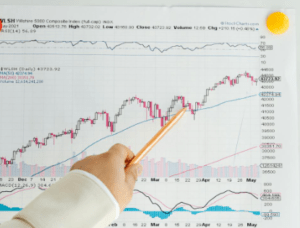
You can either connect your existing investment accounts directly or enter everything manually if you prefer keeping things separate. It tracks performance, past income, upcoming dividend dates, and even pulls in recent news related to what you own.
Pricing is reasonable , there’s a free version for beginners and paid plans that go from around $6 up to about $19 a month depending on what features you need. The higher tier feels a little steep for casual investors but for someone serious about tracking their portfolio it’s not unreasonable.
Best for: Dividend investors who want a clear picture of future income
2. Simply Wall St.
Simply Wall St. takes a slightly different approach. Instead of just showing you numbers it actually helps you understand what those numbers mean ,which for newer investors is half the battle.
Once you connect your brokerage account or enter your holdings manually it gives you a detailed breakdown of your returns, expected dividends over the next year, and key metrics that help you evaluate whether a stock is actually worth holding. They support over 2,000 brokers worldwide which covers most people pretty well.
The research tools are solid. If you’re someone who likes to dig into a company before investing or wants to benchmark your stocks against the wider market this tool gives you that without needing a finance degree to navigate it.
Two things worth knowing before you sign up , it doesn’t support mutual funds, and it won’t show you an asset allocation view. If either of those is important to your investment plan you might find it limiting. But for stock and ETF investors it covers a lot of ground.
Best for: Stock and ETF investors who want research tools alongside tracking
3. Morningstar
Morningstar has been around long enough that most serious investors have heard of it at some point. The reason it keeps coming up is simple , the research and analysis tools are genuinely among the best available to everyday investors.
You can link your retirement and brokerage accounts and use tools like the X-Ray feature which breaks down your asset allocation, sector exposure, and fund expenses all in one place. The Stock Intersection tool is particularly useful if you own multiple funds and want to know whether you’re actually diversified or just holding the same companies under different names.
The one frustration worth flagging upfront , if you link your accounts you won’t see performance tracking for those linked accounts. You’d need to enter things manually to get that data. It’s a real gap and one they haven’t fully addressed yet. Morningstar Investor runs about $249 a year though they regularly offer discounts and a 7-day free trial if you want to test it before committing.
Best for: Investors who want deep research tools and don’t mind a premium price
4. Quicken Premier
Quicken is one of those tools that’s been around so long it’s practically a financial institution in itself. It’s been helping people manage their money for over two decades and while the interface looks like it hasn’t had a full redesign since then the functionality underneath is still genuinely comprehensive.
With Quicken Premier you can track your investment portfolio alongside your everyday budgeting, bills, and recurring expenses , all in one place. It also tracks realized and unrealized gains which is helpful come tax season. It even pulls data from Morningstar directly so you’re getting some of that research depth without needing a separate subscription.
The annual fee is around $75 which isn’t outrageous given everything it does. The main complaints people have are the dated interface and the fact that the Mac version is noticeably less capable than the Windows one , worth knowing if you’re on Apple.
Best for: People who want complete financial management in one place not just investment tracking
Which One Should You Pick?
It really depends on where you are with your investment plan. If you’re just starting out and want something free and simple , Snowball Analytics or Simply Wall St. are both easy to get into. If you’re further along and want serious research tools Morningstar is hard to beat despite the price. And if you want your investments sitting inside a bigger picture of your overall finances Quicken is worth considering.
The best tracking tool is honestly the one you’ll actually open once a month. Don’t overcomplicate it.
Real-Life Example of a Successful Investment Plan
Example 1 : The Early Starter
Sara is 24 years old and she is fresh out of college, earning $2,800 a month. After paying rent, groceries, and bills she’s left with around $400. Instead of spending it on weekends, she puts $250 into an index fund every month. Nothing fancy, nothing complicated. Fifteen years later that quiet $250 habit turned into over $90,000. She didn’t get rich overnight. She just didn’t stop.
Example 2 : The Late Regret
James hit 45 and realized he had saved almost nothing. He’d always told himself “I’ll start next year.” Next year never came. Now to retire comfortably at 65 he needs to invest nearly $1,100 every single month just to catch up to where he’d be if he had started at 30 with $300 a month. Same destination. Triple the effort. That’s what waiting costs you.
Conclusions
Here’s the thing nobody tells you about investment planning . It’s not really about money. It’s about options. When you more intentionally invest today, tomorrow you will have more choices . Whether retiring early, switching careers without panic, helping your kids with college, or just sleeping better at night, knowing you have something solid behind you. None of that happens by accident.
You don’t need to be wealthy to start. You don’t need a finance degree or a fancy broker. What you need is a decision_ a real one, not a “I’ll start next month” kind of decision. Because next month has a way of becoming next year and next year has a way of becoming too late.
Start today with what you have. Start where you are. Review it, adjust it, let it grow. Your future self is going to look back at the day you finally made a plan and feel genuinely grateful you did. That day might as well be today.
Learn more about investment plan at Investopediahttps://www.investopedia.com/terms/s/systematicinvestmentplan.asp
FAQs
- What is an investment plan and why is it important?
An investment plan is a structured strategy to allocate your money in different assets to achieve financial goals. It is important because it helps you manage risk, grow wealth, and stay focused on long-term objectives. - How do I start creating an investment plan?
To start an investment plan, analyze your current financial situation, set clear goals, determine your risk tolerance, and choose suitable investment options based on your timeline. Learn more about investment with limited funds athttps://investnow.syncforge.io/starting-an-investment-with-limited-funds/ - What are the key components of a good investment plan?
A good investment plan includes financial goals, risk tolerance, time horizon, asset allocation, and regular portfolio monitoring and rebalancing. - How much money do I need to start an investment plan?
You can start an investment plan with a small amount. The key is consistency and choosing investments that match your budget and financial goals. - How often should I review my investment plan?
You should review your investment plan at least once or twice a year, or whenever there are major changes in your financial situation or market conditions.