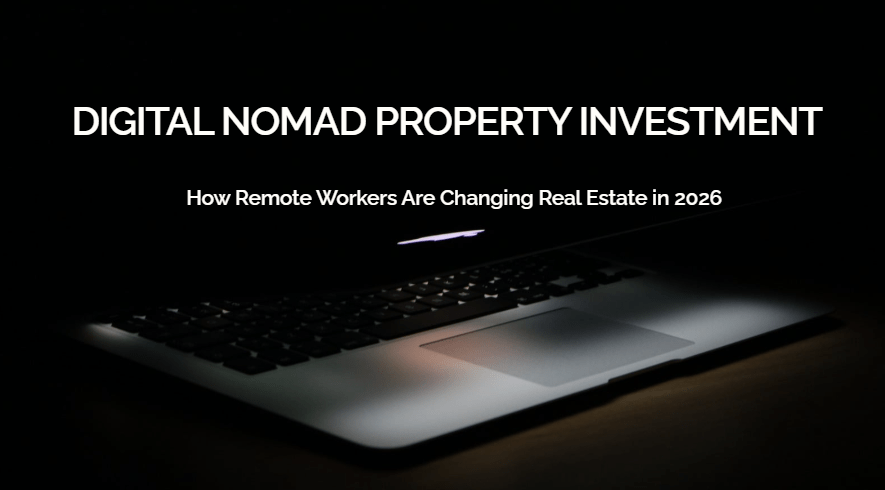
There are about 40 million digital nomads who work from anywhere in the world now. More than 70 countries are offering special visas for people who want to work from their country. This all started when the COVID-19 pandemic happened and people had to work from home. People who earn money online or work remotely for companies in other countries are moving to cities where their income gives them a much higher standard of living. They stay for a while or for a long time.
This is really changing the way housing works, in these cities. The effects of this are clearly visible. They are causing challenges like rise in housing demand and an increased living costs . Digital nomads are making an impact and changing the way cities operate around the world.
This blog will help you understand how remote work is changing real estate, which countries are attracting digital nomads, what types of properties work best, and what challenges and opportunities exist in this growing global trend.
Who Are Digital Nomads?
A digital nomad is someone who works from anywhere without being stuck in one place. Some people travel all the time. Others stay in one place for a while. If you have a passport it is easy to move around Europe. You can go to any country in the European Union. If you are not from Europe it is a bit harder. A lot of people use something called a nomad visa. Over 67 countries have this kind of visa including Spain, Portugal, Croatia and Estonia.
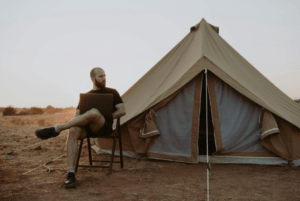
A digital nomad visa lets you live and work in a country for an amount of time. This can be six months or a few years it depends on the country. Each country has its rules and way of doing things. Some countries make it easy and quick to get a visa so you can pack your bags. Other countries take a time and you have to wait to find out if you can stay.
Digital nomad visas are becoming more common because more and more people are working from home. Governments are starting to see that it is an idea to attract people who work remotely because they spend money in the local area. Digital nomads spend money on accommodation, coffee shops, restaurants and offices. Some countries are losing people who are smart and talented but digital nomad visas can help bring them back and support local economy.
How Remote Work Is Changing Property Markets
People who use technology to work from anywhere in the world has fundamentally changed how we think about real estate. As more people work remotely global real estate markets are changing to meet their needs. This trend is especially big in Colorado, where the beautiful landscape and growing tech scene have made it a hub for workers looking for a good quality of life and affordable living.
1. Increased Demand for Flexible Housing
Digital nomads want flexibility. This is changing the type of housing that are in demand. Instead of renting or buying a home for a long time many digital nomads are looking for short-term rentals or co-living spaces. In Colorado cities like Boulder and Denver are seeing shared apartments and furnished rentals that are perfect for remote workers. These types of properties give digital nomads flexibility and a sense of community as they move around.
2. The Rise of Secondary Markets
Cities like New York and Los Angeles used to be the centers of real estate. Now digital nomads are looking at small cities and towns. In the U.S. Colorados smaller cities and towns like Fort Collins and Colorado Springs are attracting workers who want affordable living and a high standard of living. These cities have the mix of connectivity and natural beauty, which appeals to remote workers who want adventure and work.
3. Investment in Remote Work Infrastructure
As more people become digital nomads, governments and developers are investing in infrastructure for remote workers. Fast reliable internet is now a must-have for real estate developments that want to attract workers. Colorado is investing in expanding broadband access in rural areas making it an ideal place for digital nomads. Properties with workspaces, co-working environments and high-speed internet are becoming essential.
4. Impact on Luxury and Resort Real Estate
Digital nomads aren’t just looking for places; some are choosing high-end destinations. Colorados mountain towns, like Aspen and Vail are seeing a surge in interest from nomads who want to combine remote work with a luxurious lifestyle. The demand for end real estate in these areas has driven up property values making resort towns popular all year round. As more digital nomads seek out properties with views and luxury amenities this trend will likely continue.
5. Shift Toward Sustainability and Wellness
Digital nomads often prioritize lifestyle over work environments. The real estate market is seeing a shift toward wellness-focused properties. Remote workers want homes that provide a space to work and support their overall well-being. In Colorado real estate developers are responding by incorporating eco- building practices wellness amenities like yoga spaces and access, to nature. This shift aligns with the priorities of nomads, who value environmental responsibility and healthy living.
Top Countries Attracting Digital Nomad Investors
| Country | Digital Nomad Visa | Cost of Living | Key Cities | Real Estate & Investment Opportunity |
|---|---|---|---|---|
| Portugal | Yes (D8 Visa) | Medium | Lisbon, Porto, Algarve | Strong rental demand, short-term rentals, foreign buyer market |
| Mexico | Tourist + Residency | Low | Mexico City, Tulum, Playa del Carmen | Booming Airbnb market, low-cost property, high tourist demand |
| Hungary | White Card | Low–Medium | Budapest | Affordable EU market, growing expat demand |
| Spain | Digital Nomad Visa | Medium | Barcelona, Valencia, Málaga | Strong tourism and rental income market |
| Croatia | Digital Nomad Visa | Medium | Split, Dubrovnik, Zagreb | Coastal rentals and rising foreign investment |
| Thailand | Limited (LTR/Extensions) | Low | Bangkok, Chiang Mai, Phuket | High Airbnb demand, foreign condo investment |
| Montenegro | No formal visa | Low–Medium | Kotor, Budva | Emerging luxury coastal market, low entry cost |
| Brazil | Digital Nomad Visa | Low–Medium | Rio de Janeiro, São Paulo, Florianopolis | Large rental market, growing international interest |
| Czech Republic | Freelance/Long-stay visa | Medium | Prague, Brno | Stable EU market, strong expat rental demand |
| Bulgaria | No official nomad visa | Very Low | Sofia, Varna, Plovdiv | Undervalued market, high ROI potential for investors |
How Investors Are Benefiting From This Trend
Best Property Types for digital nomads
When someone move to a city he needs to think about what he needs as a remote worker. It’s not about finding a place to live but finding a property that helps you work well, feel comfortable and stay healthy. Things that are important to consider are : which space you need , how easy it is to get around and what facilities are available for work and relaxation. Here are the best types of properties for digital nomads.
Moving to a city takes some planning especially for remote workers looking for a great place to live and work.
Apartments and condos: small and practical
For workers who like a simple lifestyle, apartments and condos are great options. For example buying a condo can be an idea if you want a manageable space with things like fast internet , a gym and sometimes even a coworking space in the building. Being close to transport or cafes is also a bonus if you like to change your work environment.
Condos and apartments are usually smaller. They’re perfect for people who don’t need a lot of space. They’re easy to take care of. Utilities are often included. They’re also usually close to remote workers in the area.
Townhouses: a mix of apartments and houses
Townhouses offer the best of both worlds. They have space than apartments but you don’t have to worry about taking care of a big garden like you would with a house. Townhouses are often close to city centers, which is convenient for remote workers who need to access amenities and services.
Many townhouses have levels, which means you can separate your workspace from your living space. This is ideal if you want to create a home office without losing the comfort of a living room or bedroom. Once you’ve found the type of accommodation it’s time to get used to your new area. Moving to a city is a great chance to discover local amenities meet other remote workers and create a routine that works for you. To get used to your area don’t forget to explore nearby coworking spaces, cafes and parks which can be alternative work environments.
Single-family homes: space to grow
If you prefer space single-family homes offer a lot of flexibility. They have room for a home office extra bedrooms and more storage space. Many remote workers choose a house when they need to separate work and private life. Having a workspace away from other living spaces can help you create a clear boundary between work and relaxation.
In addition to space , single-family homes are often in areas, which means fewer distractions when working from home. Many also have backyards or outdoor spaces for getting some fresh air after a long day’s work. If you’re moving to a city with areas this type of property offers a good balance between work and leisure.
Lofts: elegant flexible living spaces
Lofts are attractive for workers looking for a spacious creative environment. They’re typically spaces with high ceilings and large windows making them ideal for professionals who need both living and working space. The open-plan layout makes it easy to set up a home office while still having space to relax and entertain.
Lofts are often in converted buildings giving them a unique modern look. If you prefer an environment with character and charm a loft can be a great choice. One of the important steps is to set up a home office that suits your working habits. With the furniture and fittings you can create a highly functional and stylish home office in a loft. Consider placing your office in an area with minimal distractions. Invest in furniture like a comfortable chair and an adjustable desk to improve your posture and general well-being. Good lighting is also essential for staying focused during working days.
Living spaces: ideal for social workers
If you prefer a more social lifestyle while working remotely , co-living spaces can be a great option. These spaces offer shared living conditions. Provide private rooms and common areas for working, eating and socializing. Cohousing spaces are particularly interesting for people who’re new to a city and want to meet like-minded remote workers. They are often fully furnished and offer services like internet, housekeeping and shared workspaces.
Co-location is ideal, for those who want a sense of community while retaining a workspace. It also takes the stress out of setting up a home office from scratch as many of these spaces are already designed to encourage productivity and collaboration. Learn more about different property investments athttps://investnow.syncforge.io/commercial-vs-residential-property/
Challenges in the Digital Nomad Real Estate Market
The digital nomad lifestyle is really exciting. When we talk about real estate it is not always easy. Digital nomads need housing that is flexible because they work online and move to different places. However finding the right property is still tricky in cities around the world.
- One big challenge is rental prices in popular cities. Cities that are beautiful and safe usually have a lot of nomads. Because many people want to live in these cities the rent goes up quickly. Sometimes locals also have to pay more. In cities like Lisbon, Barcelona or Bali it can be hard to find housing when it is peak season.
- Digital nomads also have to deal with short-term rules. Many governments are making it harder for people to rent out homes on platforms like Airbnb. This makes it difficult for property owners to rent out homes to travelers or digital nomads. Some cities even limit how days a property can be rented. This means digital nomads have options.
- Another problem is internet and work conditions. Even if a place looks online it may not have good Wi-Fi or a proper workspace. For nomads slow internet or power cuts can be a big issue.
- Digital nomads also face the challenge of lack of long-term stability. They usually do not stay in one place for long.. Moving often can be stressful. Constantly looking for places signing short leases and getting used to new environments can get tiring.
- Lastly there is a lot of competition for properties. More and more people are working remotely. There is a big demand for flexible housing. This means the best apartments and co-living spaces get booked quickly in popular cities.
In short the digital nomad lifestyle is flexible and free. The real estate side of things still has many challenges, like high cost, rules, internet quality and availability. These issues are changing how cities and property markets work around the world. The nomad real estate market is still evolving and digital nomads have to deal with these challenges every day.
Future of Digital Nomad Trend in 2026
The digital nomad trend is really popular now and that is why a lot of people want to buy property. Smart investors know that this is not the only reason to invest in real estate. The same houses that digital nomads like also work well for people who want to rent them out to tourists or for people who just want to use them personally or sell them later.
By 2026 it is predicted that half of all new buildings will be built in environment friendly way. This is because the government is giving incentives like taxes and faster permits to builders who use certifications like LEED and EDGE. Properties that are built in this way ,will still be popular with buyers in the future.
Governments are also fixing the highways making the airports bigger and improving the internet and phone connections. All of these things will make property values go up in different areas. This will be especially good, for areas that were difficult to access. Real estate will benefit from all of these improvements. That is why it is a good idea to invest in real estate.
Conclusions
The remote work trend has greatly impacted how people choose their homes around the world. It has made people rethink what they want from a property and where they want to live. Remote work has changed peoples views, on location, value and lifestyle. It has affected suburbs, small cities and rural areas. It has also changed how people invest in properties and make housing decisions. The biggest change is that people no longer need to live near their workplace. This has changed how people make housing decisions.
Digital nomad investment is not a trend. It is a shift that is changing the property market. It has changed what home buyers want and where they want to live. It has also changed how investors think about opportunities. The long-term effects of work are still happening. One thing is certain , Digital Nomad investment is part of the future of estate. The future of estate is already changing. Remote work is changing estate and real estate is changing because of remote work. Learn more at https://www.canarianweekly.com/posts/How-Digital-Nomads-are-changing-the-Real-Estate-Market-and-Local-Culture-of-the-Canary-Islands-in-2026
FAQs
1.What kind of property is best for nomads?
The best properties for nomads are usually apartments that are already furnished, condos, co-living spaces and small townhouses. Digital nomads like places that’re ready to move into have fast internet and are close to cafes coworking spaces and transport. For nomads flexibility is more important than owning a property for a long time.
2. What are the main problems in the nomad real estate market?
Some big problems include prices going up in popular cities strict laws about short-term rentals, internet that does not work well in some areas and a lot of competition for good properties. Also digital nomads move around a lot so it can be hard to find a place to live.
3. How is working from home changing the way people think about estate?
Working from home is changing estate because people are looking for properties outside of big expensive cities. Now that people can work from anywhere they do not need to live near offices. So smaller towns and places with internet low cost of living and a better lifestyle are becoming more popular for digital nomads.
4. Is it an idea to invest in properties for digital nomads in 2026?
Yes it can be an idea to invest in properties for digital nomads because more and more people are looking for short-term rentals and flexible housing. However investors should also think about the risks, like laws and regulations competition and demand that changes with the seasons. Choosing the location is very important for digital nomad properties to be successful.
5. Will the digital nomad trend keep going in the future?
Yes the digital nomad trend is expected to continue because working from home is now a change around the world. More countries are creating visas, for digital nomads and companies are allowing people to work from home which supports the digital nomad lifestyle. Digital nomads will keep looking for properties that meet their needs.